0 0
Read Time:7 Minute, 56 Second

On September 12 and 13, 2026, the fourth edition of the Évian-les-Bains Triathlon (Haute-Savoie) unfolded on the shores of Lake Geneva. This town, modest in population (around 9,300 inhabitants, less than twice the size of the region's largest market towns) yet world-renowned for its thermal springs and Évian mineral water, welcomed 3,500 athletes supervised by 350 volunteers for the event.
Here is a photographic report of the occasion, followed by a brief history of the origins of this legendary sport.

Thank you for reading this post, don't forget to subscribe!

Cover Photo © BEN BECKER MD

Photo © Pierre d'Ornano Aeternus.fr
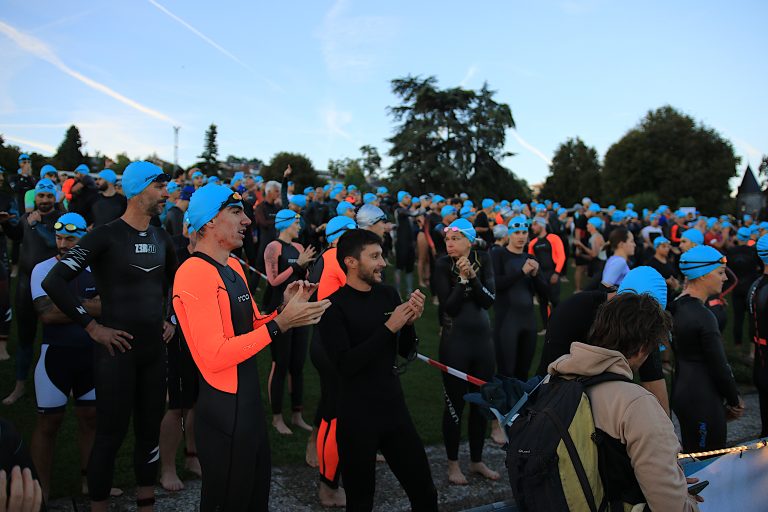
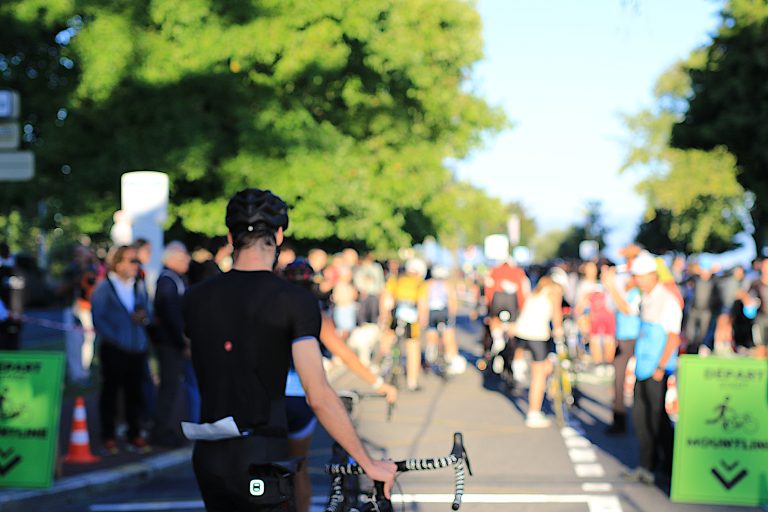
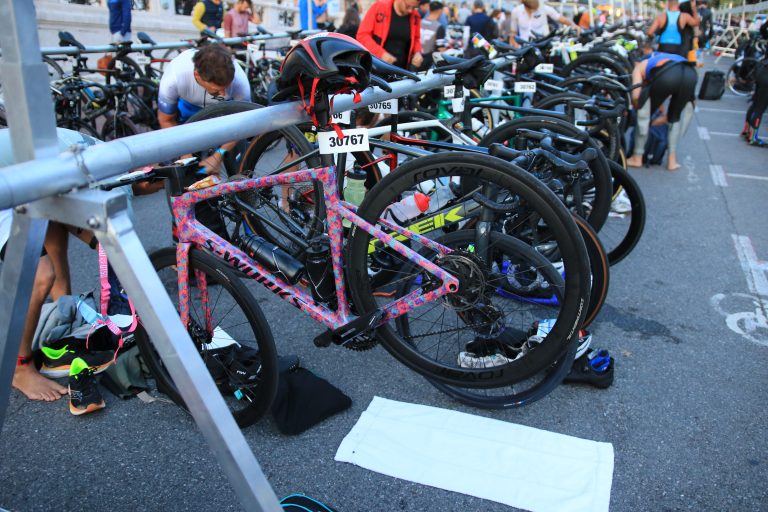
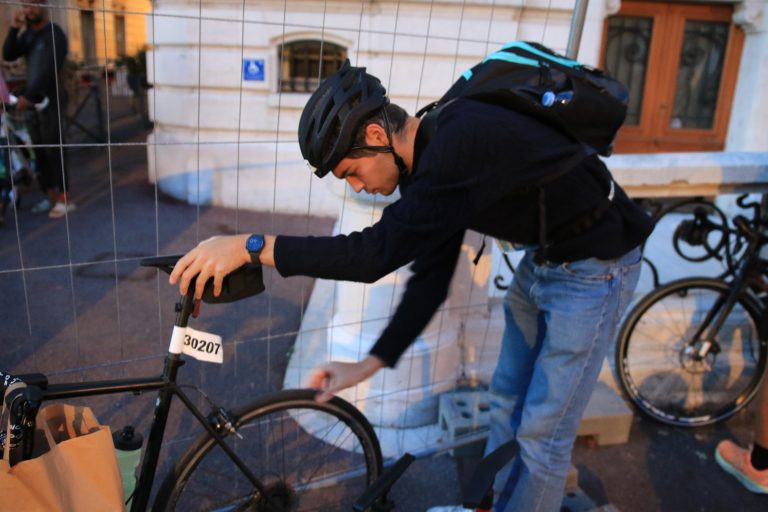
Before the start, at the stand, 6:30 AM on Sunday, September 13. Photo © Pierre d'Ornano

Évian-les-Bains Triathlon: 6:30 AM, Sunday, September 13, the start area before the launch of the Olympic format race at 7:30 AM. Photos © Pierre d’Ornano

Tens of thousands of supporters gathered to cheer on the athletes and enjoy a spectacle that united athletic performance, camaraderie, and intense emotion. Notably, the French National Olympic and Sports Committee (CNOSF) awarded this edition the Silver level of the "Sustainable Development, Sport Commits" label—a distinction celebrating a dedicated commitment to environmental stewardship, inclusion, ethics, and local community roots.
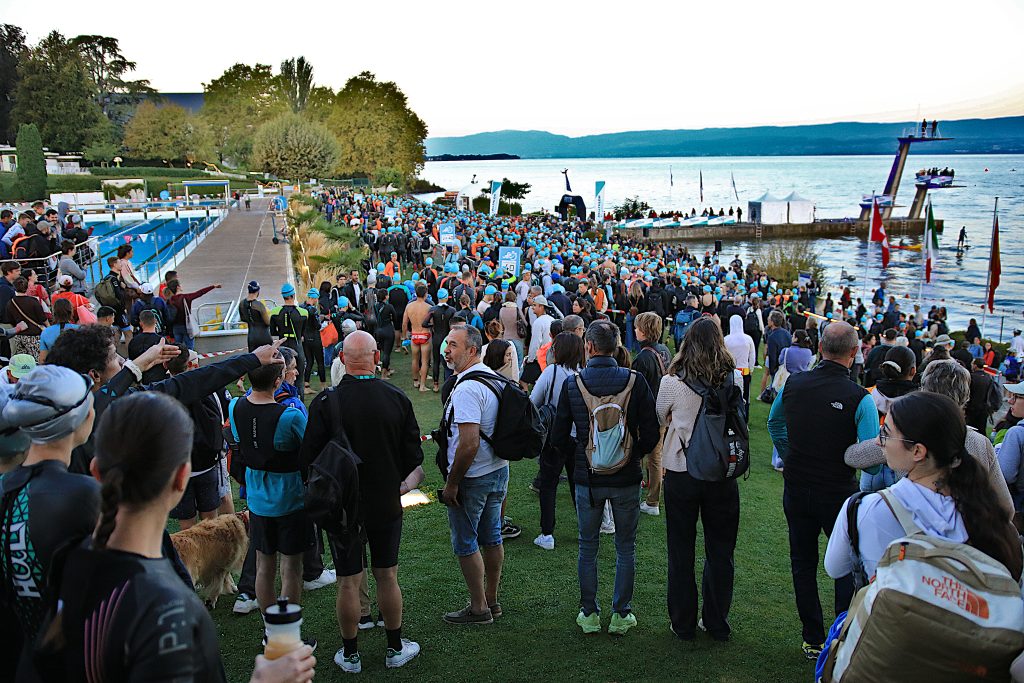
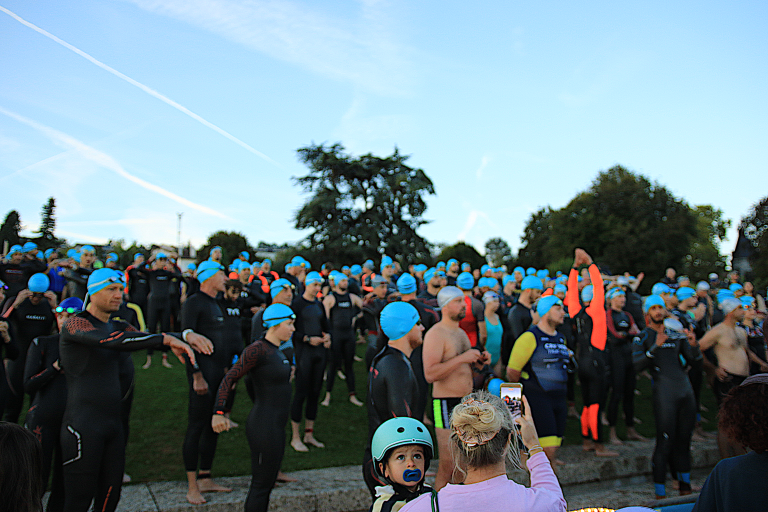
On the shores of Lake Geneva, before the start of the Olympic format of the 2026 Évian-les-Bains Triathlon, on Sunday, September 13. Photo Pierre d'Ornano | Aeternus.fr
On the shores of Lake Geneva, before the start of the Olympic format of the 2026 Évian-les-Bains Triathlon, on Sunday, September 13. Photo Pierre d’Ornano | Aeternus.fr

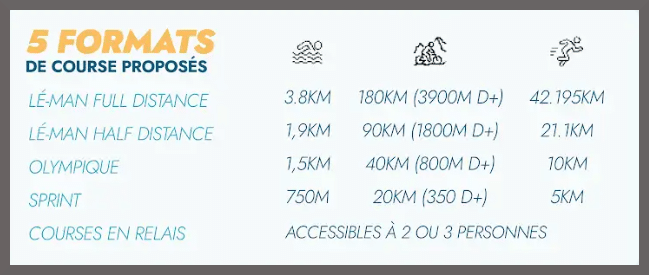
Five formats, both individual and relay, were offered to the competitors (detailed below), presenting varying degrees of physical challenge according to each participant’s goals and chosen limits—the oldest triathlete being 81 years of age—or the athletic performance pursued. Along the various routes, each course offered exceptional, sweeping panoramas.
In front of the swimming start pontoon. Évian Triathlon 2026. Photo Pierre d'Ornano © Aeternus.fr

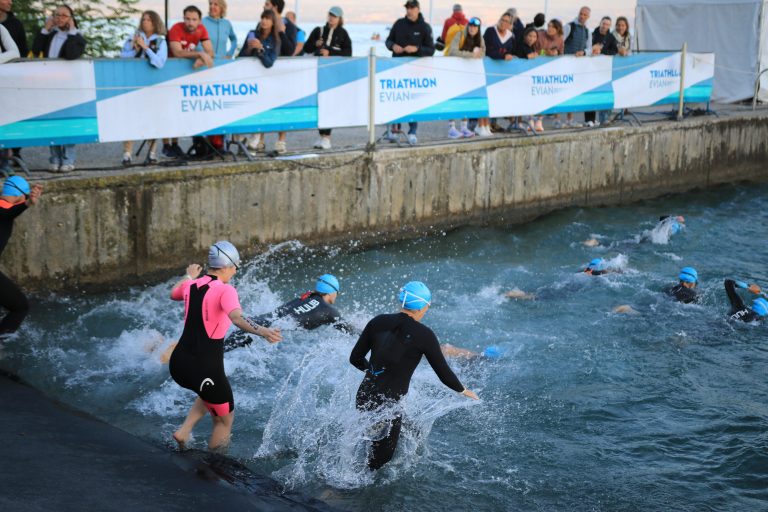
A few minutes before plunging into the 17°C waters. Photos © Pierre d’Ornano

For the competitors, the triathlon brings both personal fulfillment and shared collective excitement, as family members, friends, and colleagues unite in these demanding athletic milestones. It also proves to be a profoundly moving journey—particularly at the swim start for many athletes, and throughout the entire course for the families, spouses, partners, and friends who come to support them.

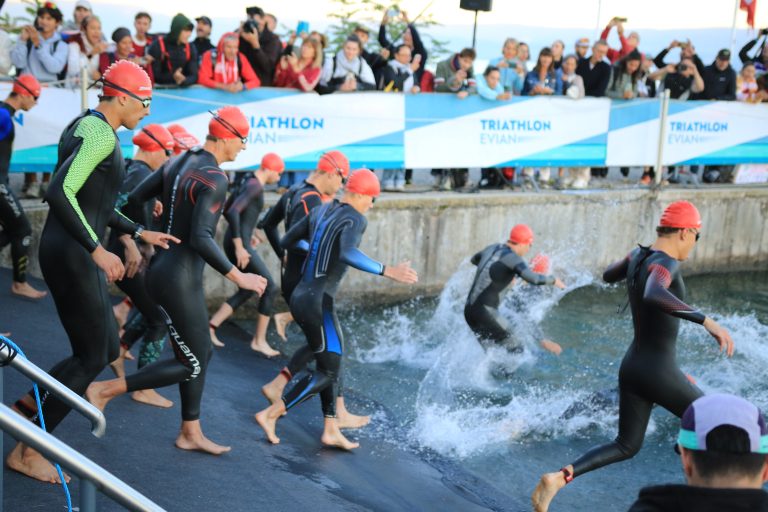
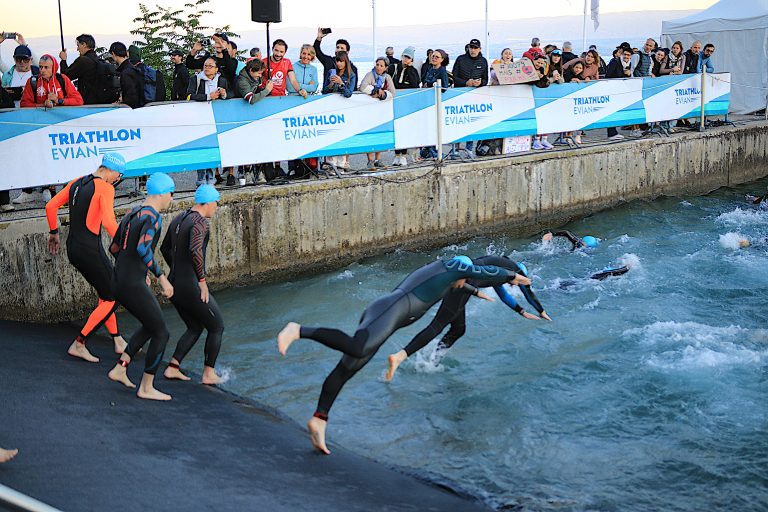
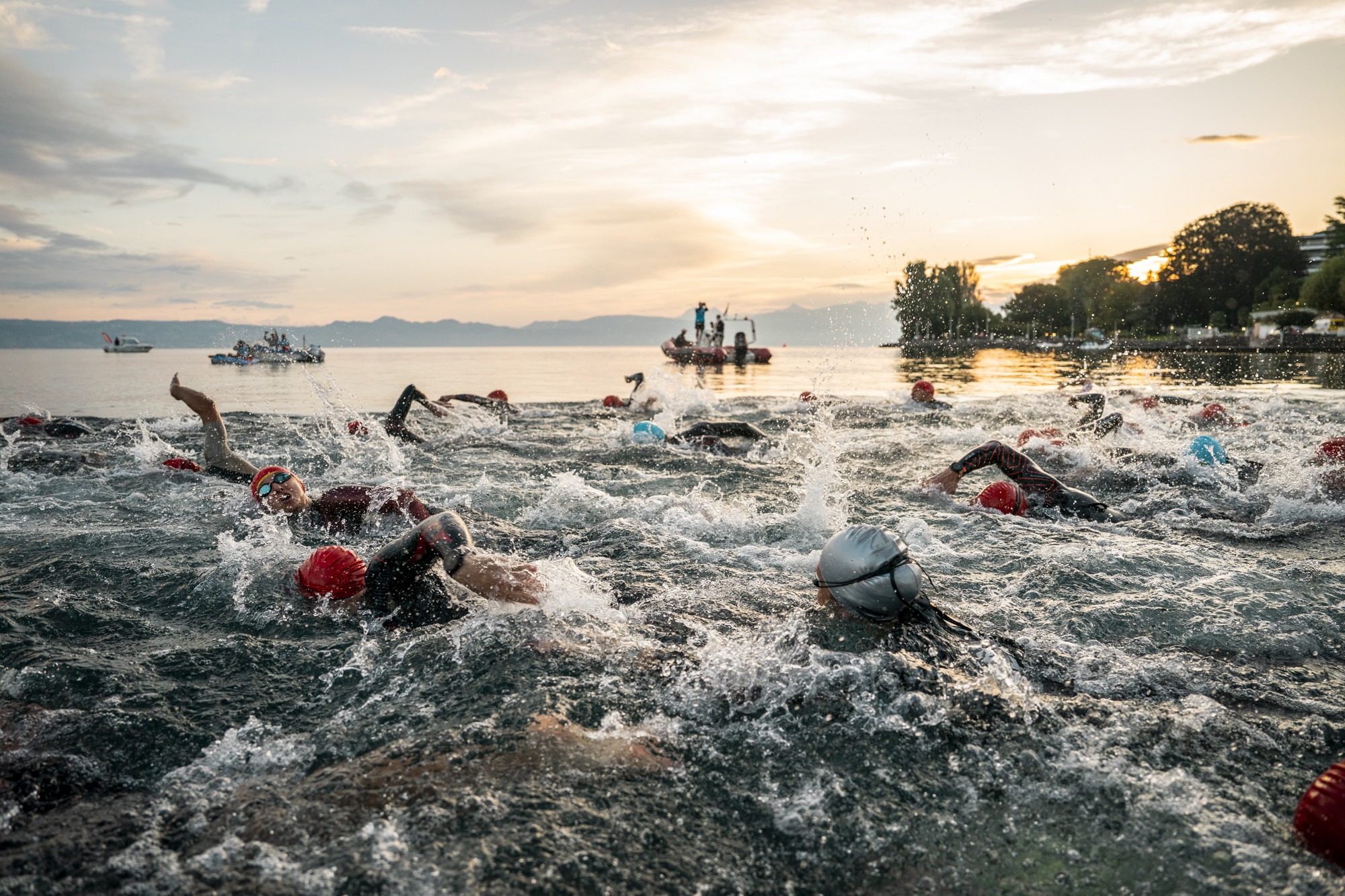
Start of the swimming leg, Olympic format. Photo © Pierre d'Ornano | Aeternus.fr
Taking the plunge at daybreak for the Olympic swim. Photo © Pierre d'Ornano | Aeternus.fr
Évian Triathlon 2026. Photo © Pierre d'Ornano
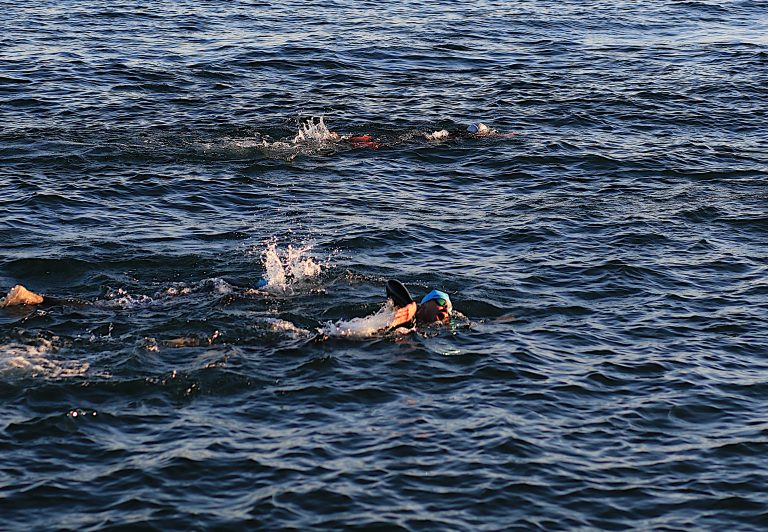
Halfway through the 1.5 km Olympic swim. Photo © Pierre d'Ornano | Aeternus.fr

The start of the swimming leg for the Olympic distance event (1.5 km), September 13, 2026. Photos © Pierre d’Ornano

The finish pontoon for the Olympic swim. Photo © Pierre d'Ornano | Aeternus.fr
Finish of the swimming leg 1. Photo © Pierre d'Ornano

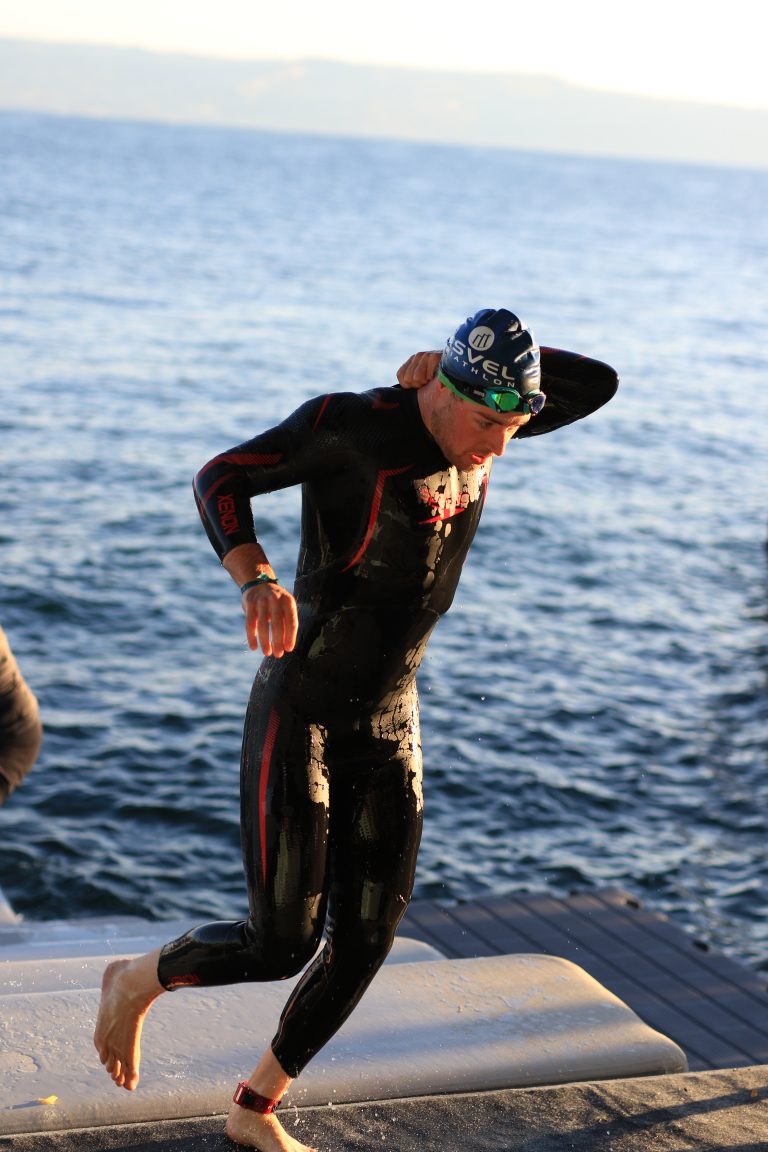
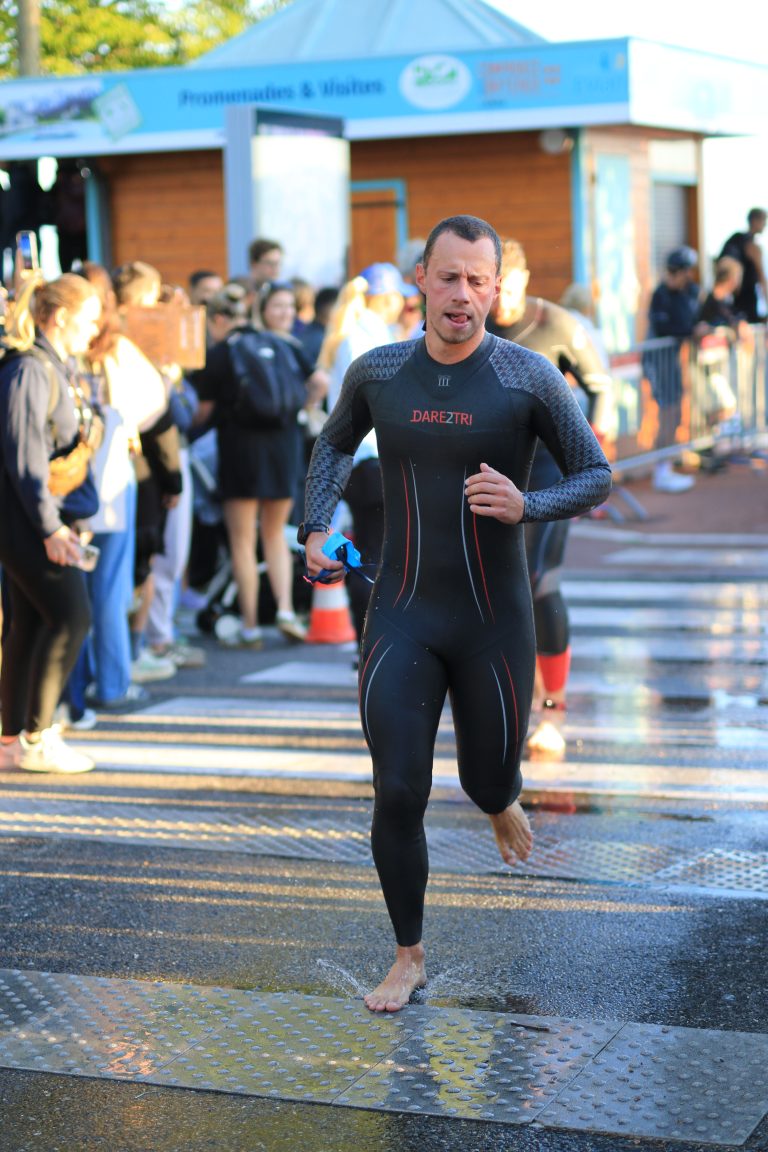
Swimmers exiting the water ahead of the cycling leg. Photo © Pierre d’Ornano

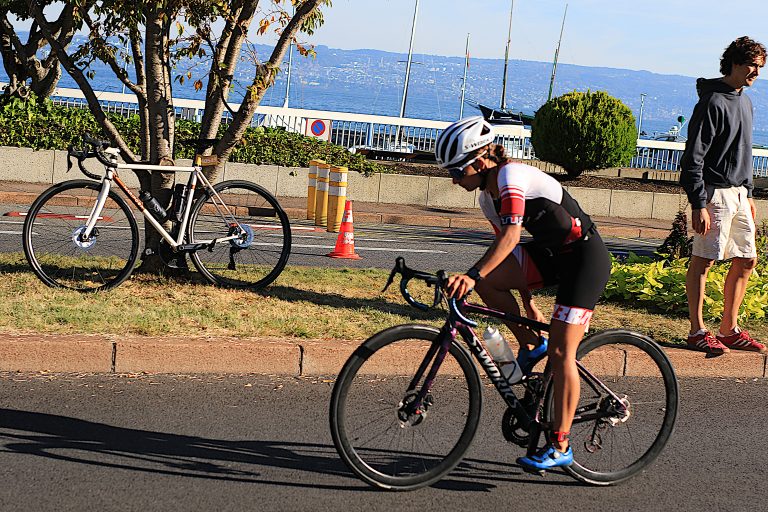
Cyclist, female triathlete, Évian 2026. Photo © Pierre d'Ornano
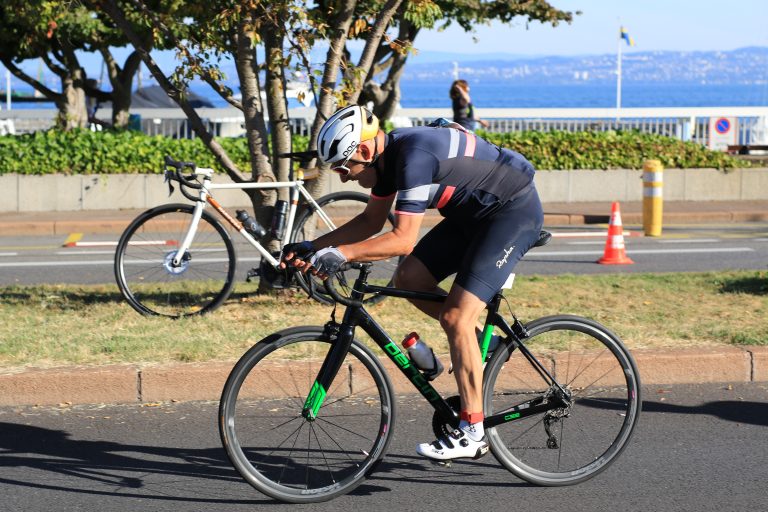
Cyclist at the Évian Triathlon 2026 3. Photo © Pierre d'Ornano
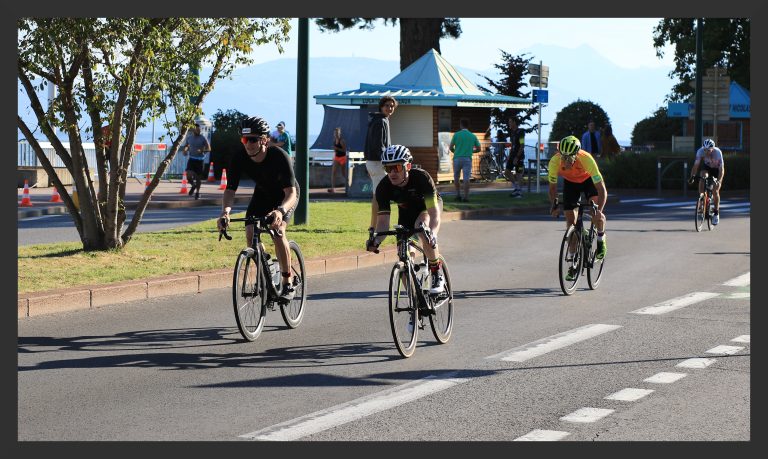
Cyclists along the Olympic course. Photo © Pierre d'Ornano

The final pedal strokes after tackling the 800-meter elevation gain. Photo © Pierre d’Ornano

Behind the masks of physical strain etched onto the faces of these athletes—both professional and amateur—as the grueling challenges mounted, one could glimpse in their eyes, and occasionally through a fleeting smile, the sheer joy of taking part in a legendary contest that compels one to surpass one’s limits. 

Matthieu, cycling leg, Évian Triathlon 2026. Photo © Pierre d'Ornano
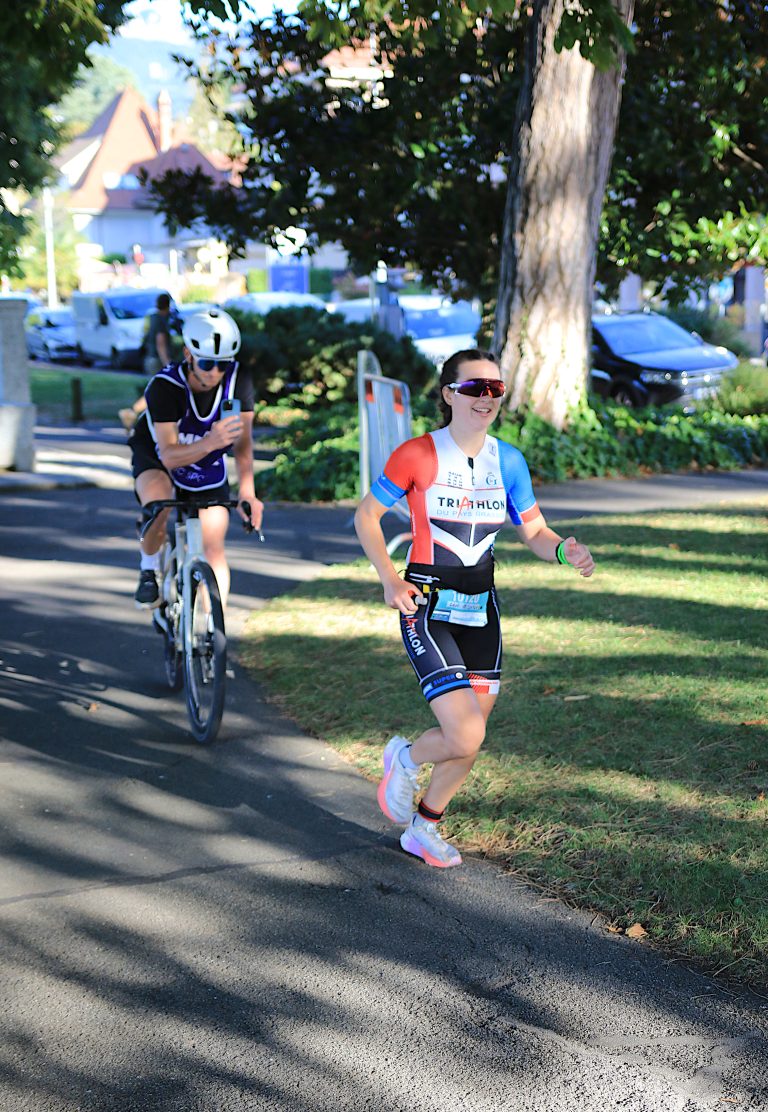
Évian Triathlon 2026, female cyclist and runner. Photo Pierre d'Ornano
Thibault, cycling leg, Évian Triathlon 2026. Photo © Pierre d'Ornano
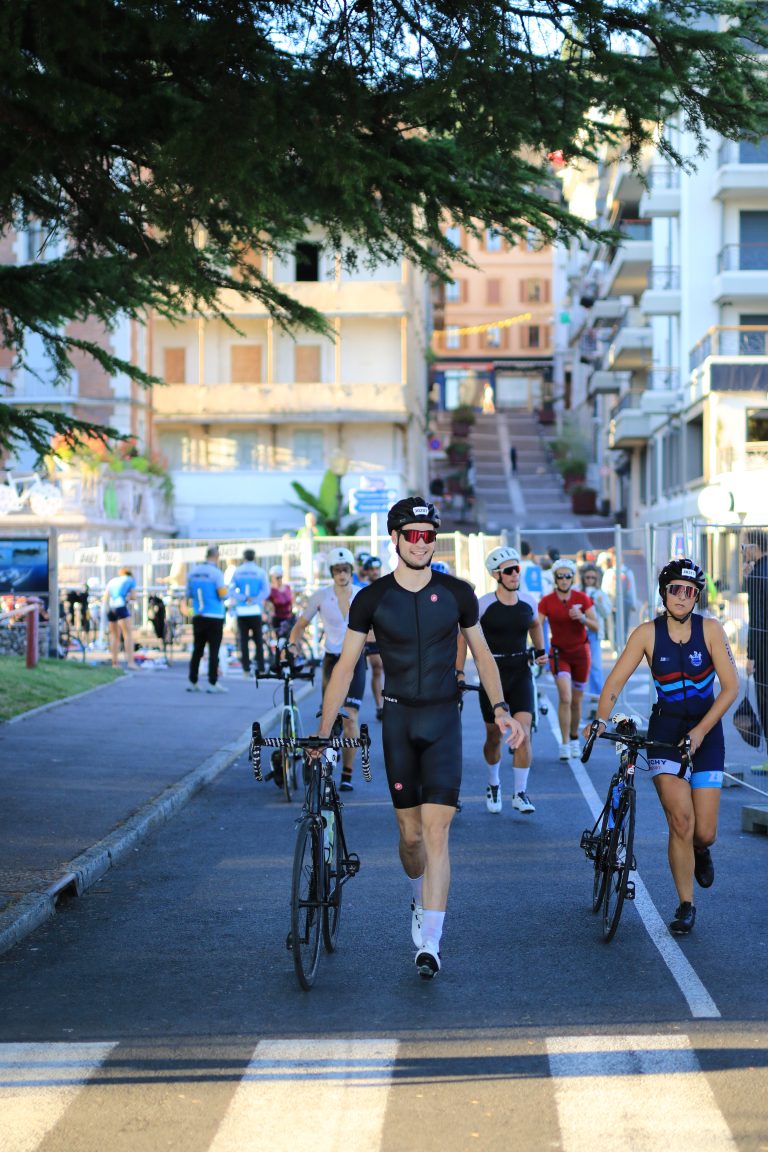
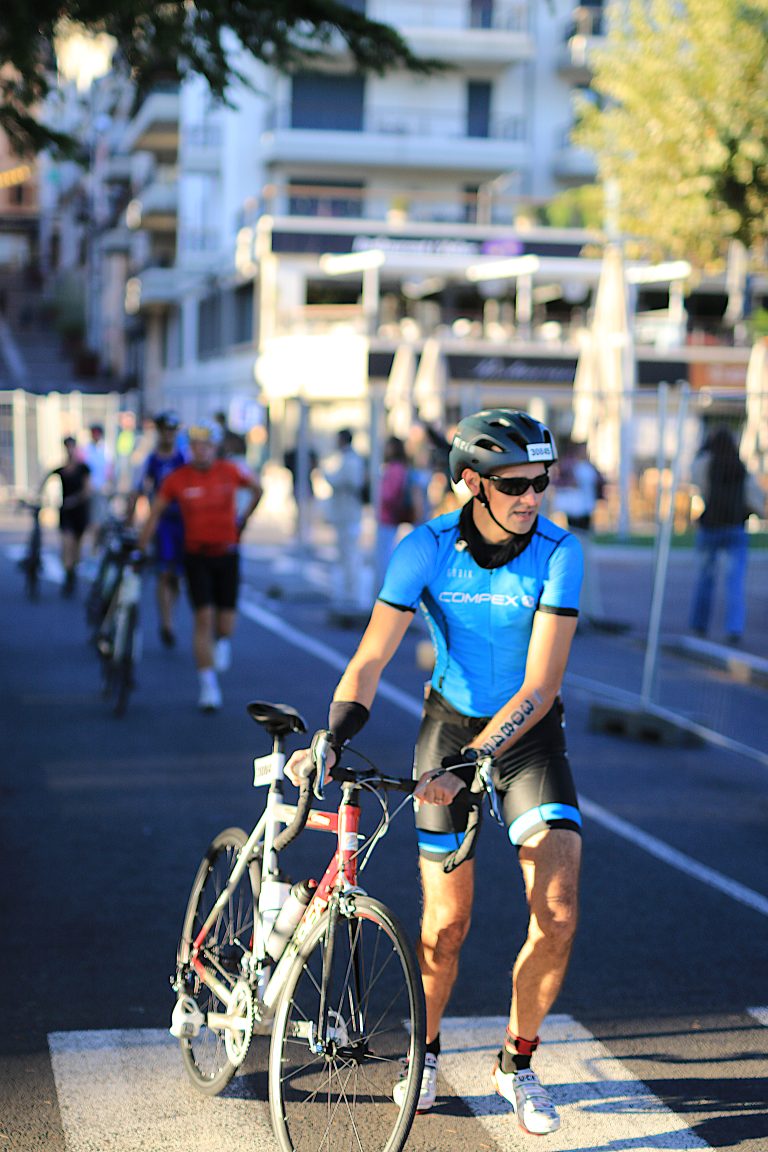
Évian Triathlon 2026, cyclist dismounted. Photo Pierre © d'Ornano

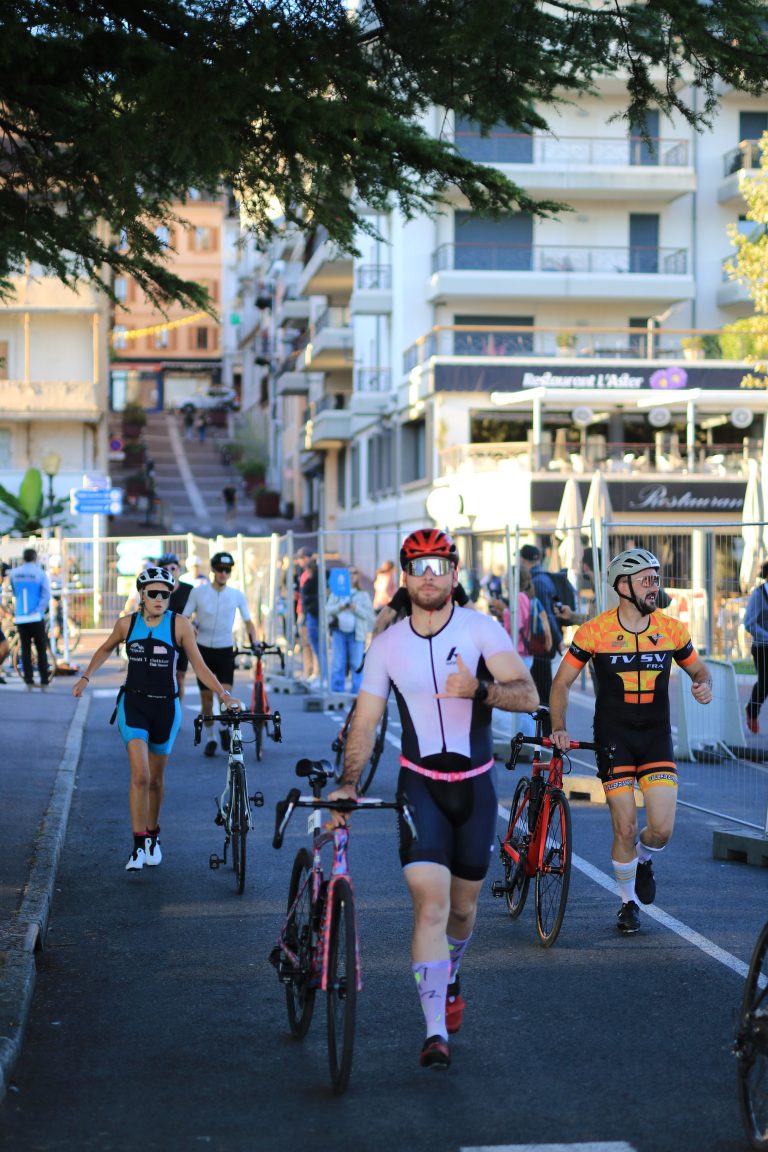
The conclusion of the cycling leg, just before embarking on the 10-kilometer run. Photos © Pierre d’Ornano

The events of the weekend of September 12 and 13

Saturday, September 12, hosted the longest and most demanding races:
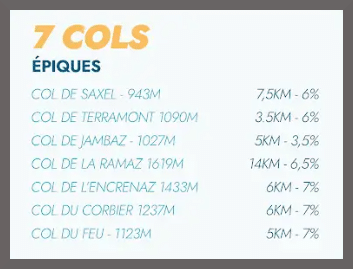
–> The Lé-Man Full, a legendary course featuring the ascent of several Alpine passes, including the Col de Saxel (a 7.5 km climb at 6%), the Col de la Ramaz (a 14 km climb at 6.5%), and the Col du Corbier (a 6 km climb at 7%).
–> The Lé-Man Half Distance, highlighted by the ascent of the Col du Feu (5 km with a 7% gradient).
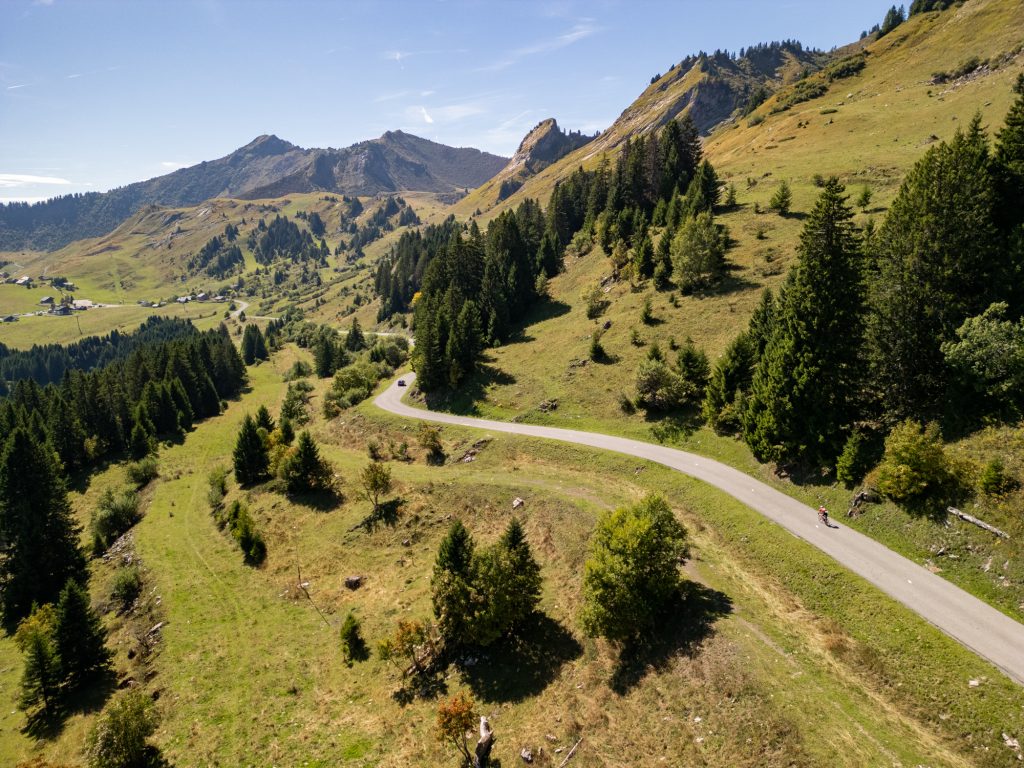
Évian Triathlon. Photo © Florian MD Paysage 1
Photo © Florian MD

Sunday, September 13, offered shorter formats and a true visual feast:
–> The Olympic distance, a cycling route culminating at the panoramic viewpoint of Champeillant, a plateau offering a 180° vista over Lake Geneva and the surrounding peaks.
–> The Sprint distance, a fast and exhilarating event, ideal for discovering triathlon within a truly breathtaking setting.
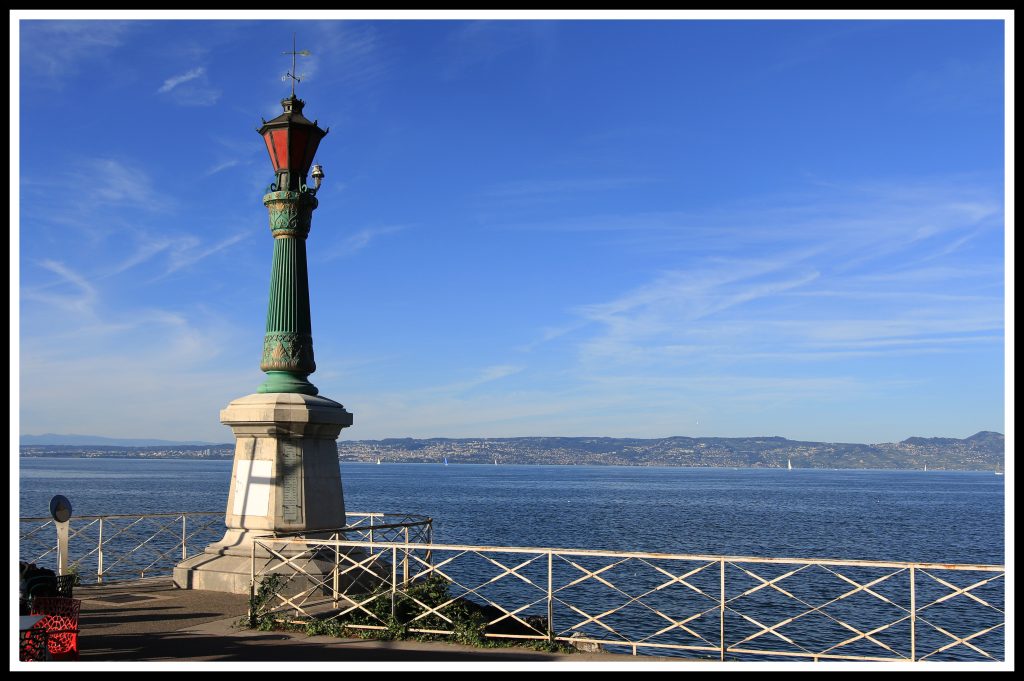
View over Lake Geneva. Photo © Pierre d'Ornano
Photo © Pierre d’Ornano
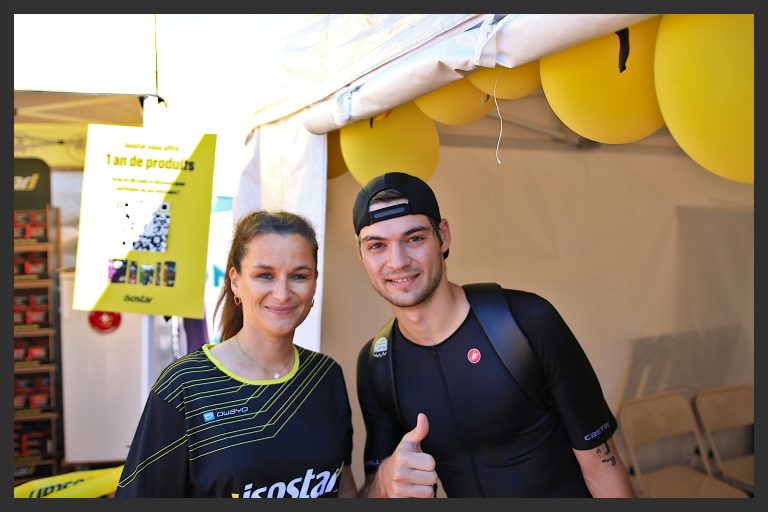
Chloé Lecacheux, Physiotherapist and Osteopath, ISODTAR, and Matthieu d'Ornano at the Évian Triathlon 2026. Photo © Pierre d'Ornano
Chloé Lecacheux, sports physiotherapist and osteopath, taped Matthieu's leg on the eve of the competition at the ISOSTAR booth. A paramedical team established by the ISOSTAR brand provided advice and offered massages to triathletes throughout the two days of competition. Photo © Pierre d’Ornano | Aeternus.fr
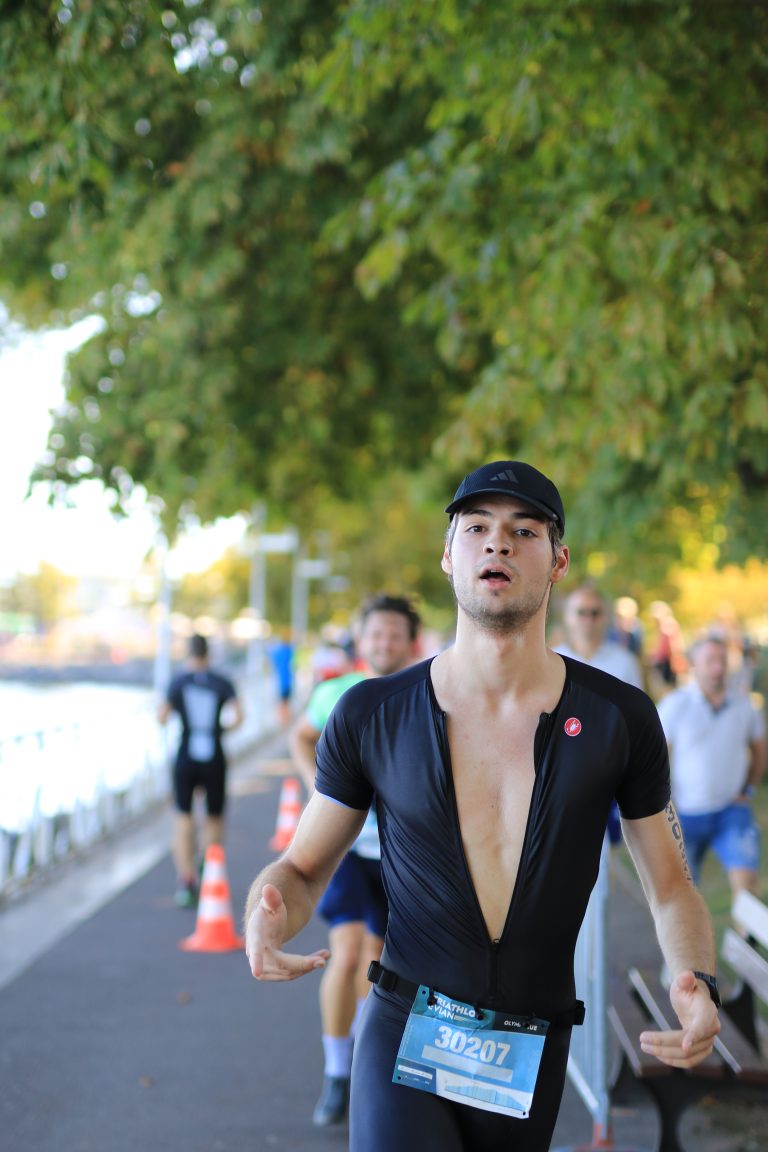
Thibault, just a few kilometers from release. Photo © Pierre d'Ornano
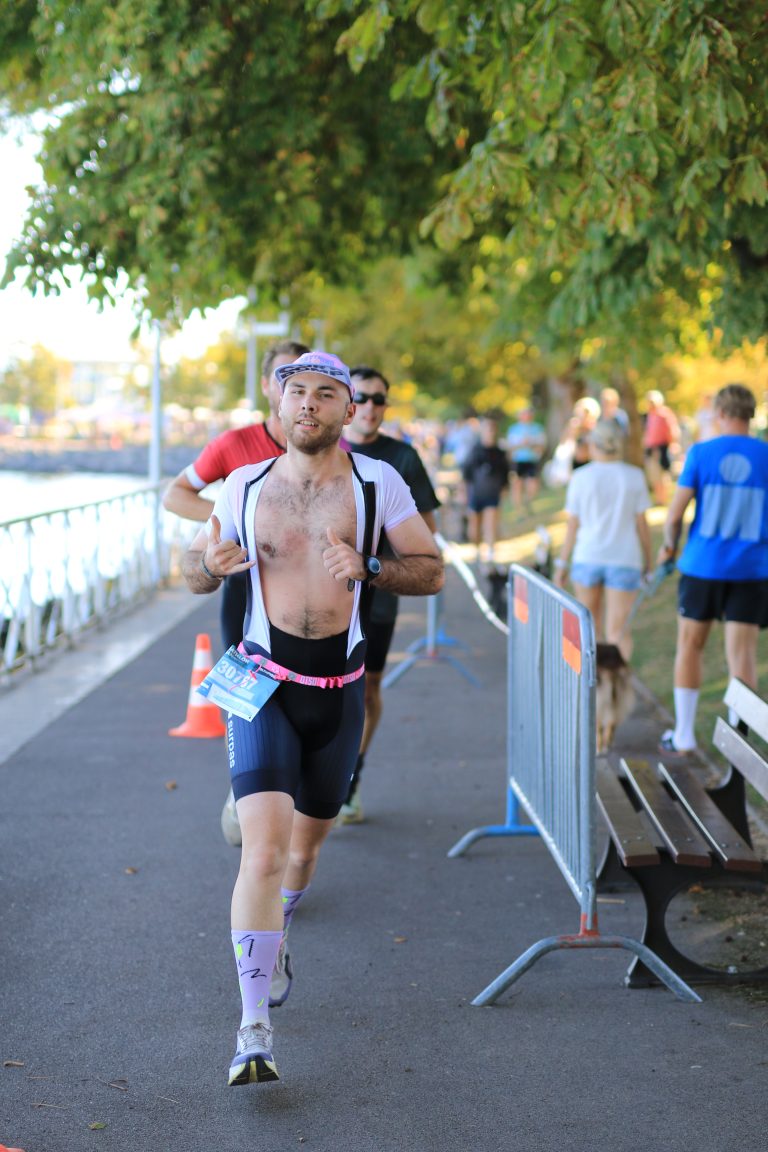
Matthieu running effort, Évian Triathlon 2026. Photo © Pierre d'Ornano
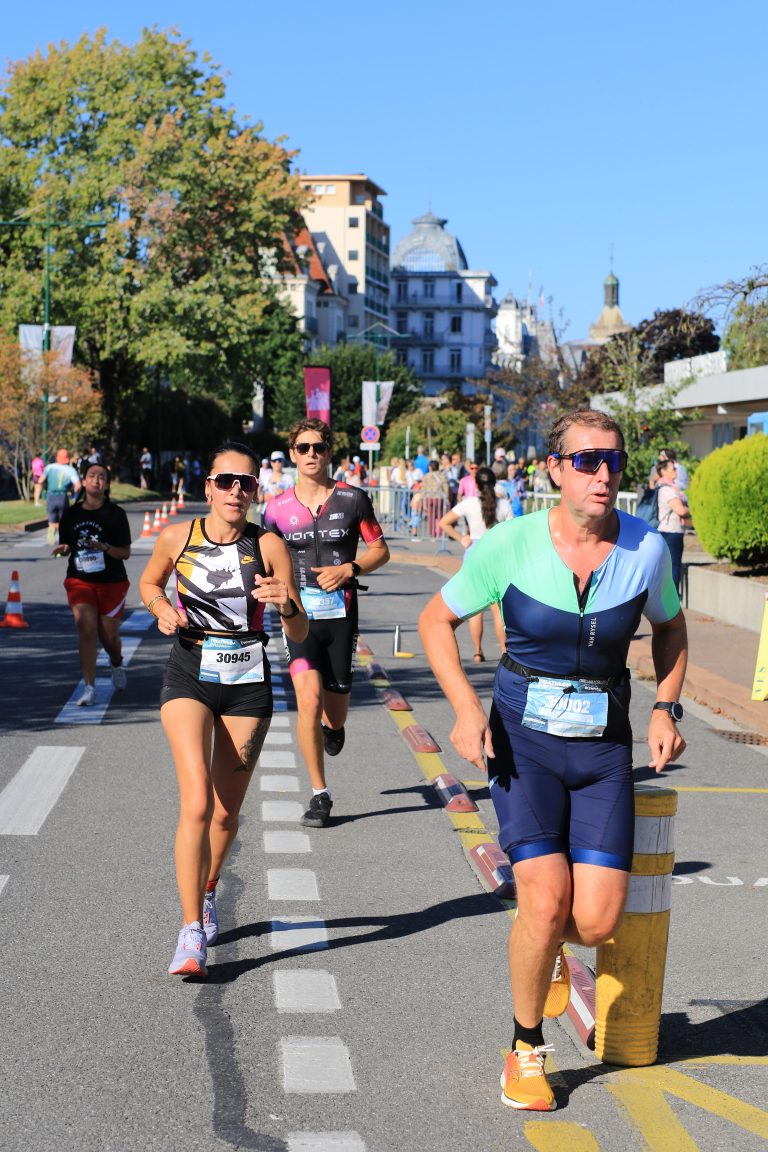
Three runners. Évian Triathlon 2026. Photo © Pierre d'Ornano
Évian Triathlon 2026. Photo © Pierre d'Ornano woman 4
Évian Triathlon. Photo © Pierre d'Ornano W1
Évian Triathlon 2026. Photo © Pierre d'Ornano W3
Évian Triathlon. Photo © Pierre d'Ornano W2

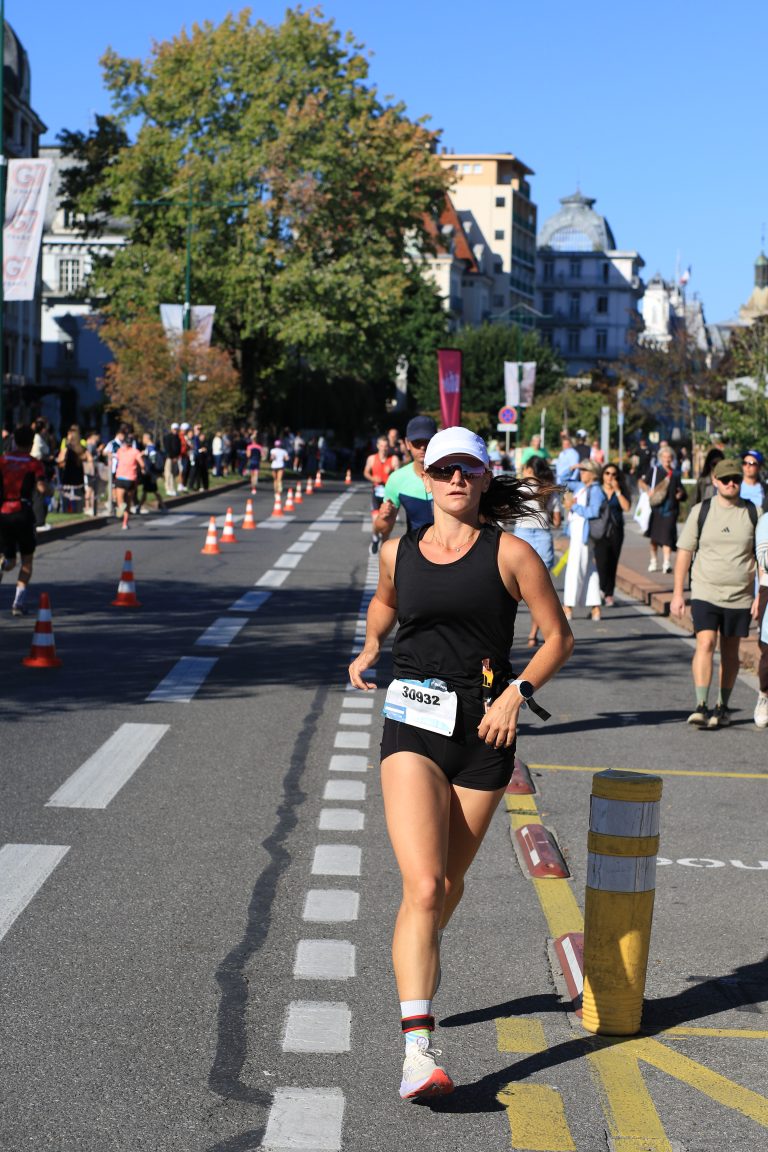
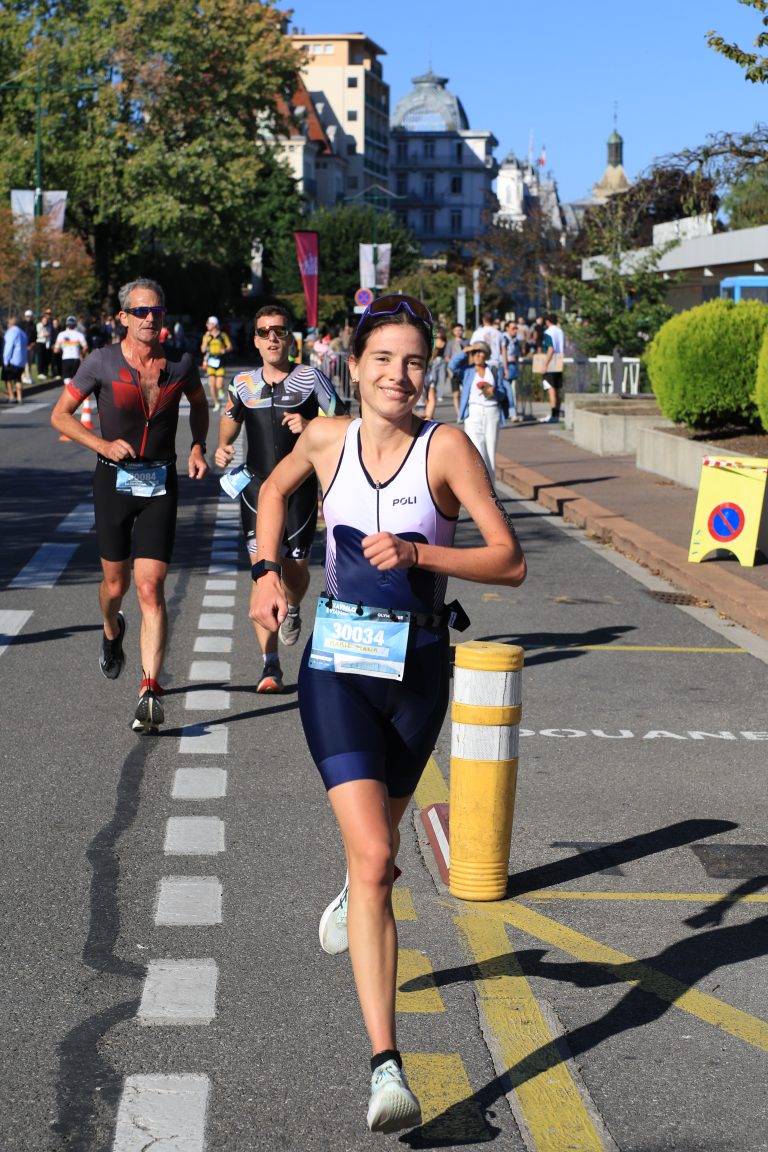
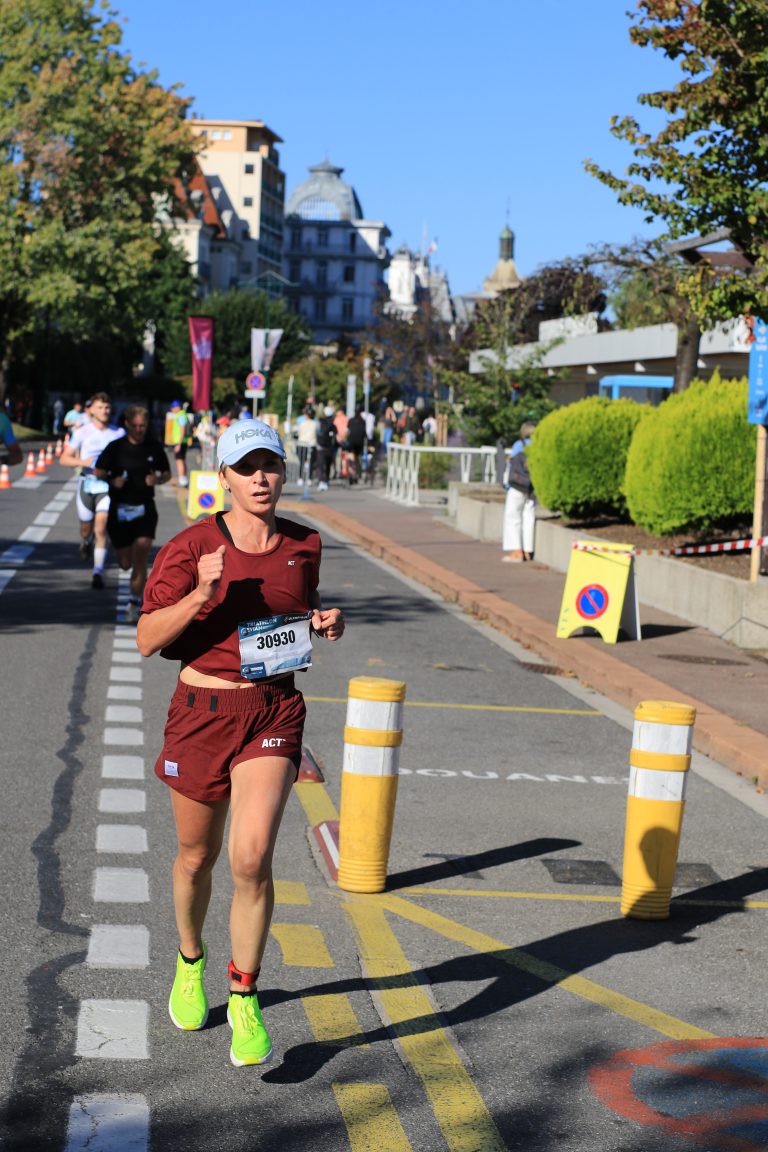
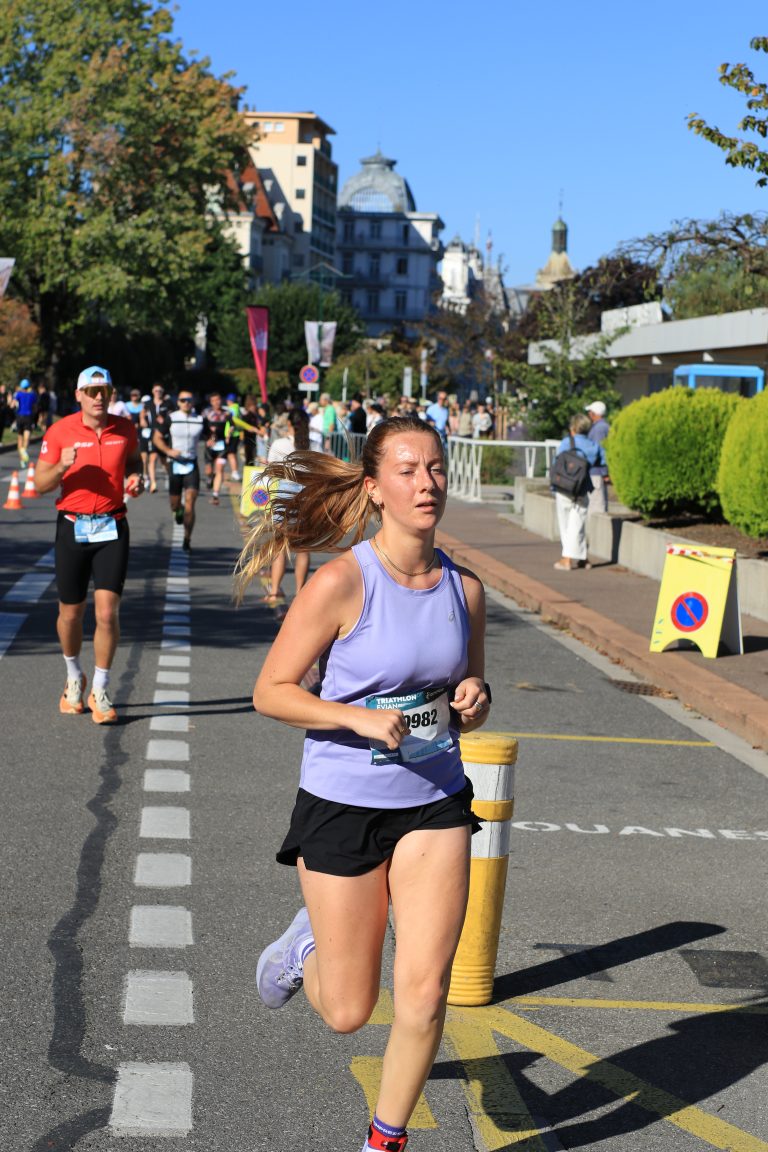
At the 2026 Évian Triathlon, 35% of the athletes were women. Photos © Pierre d’Ornano

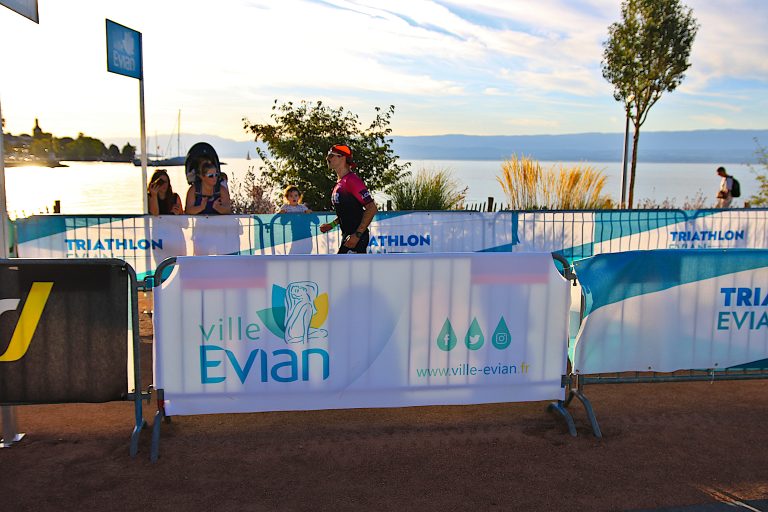
Finish area of the race. Évian Triathlon 2026. Photo © Pierre d'Ornano
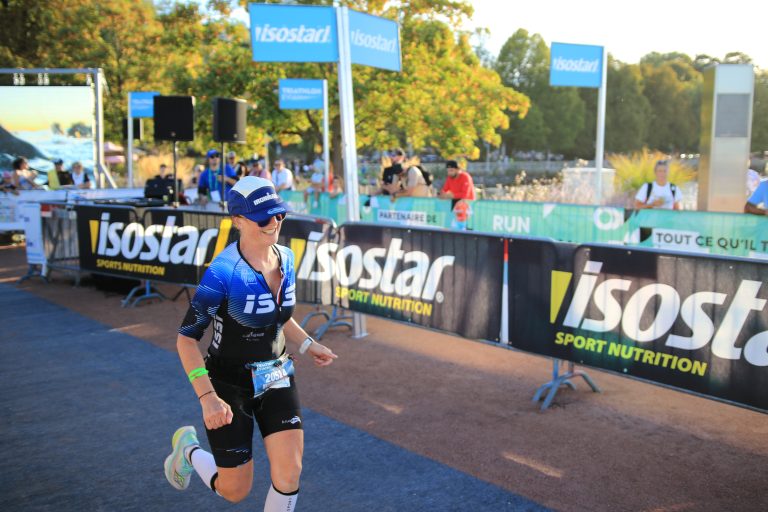
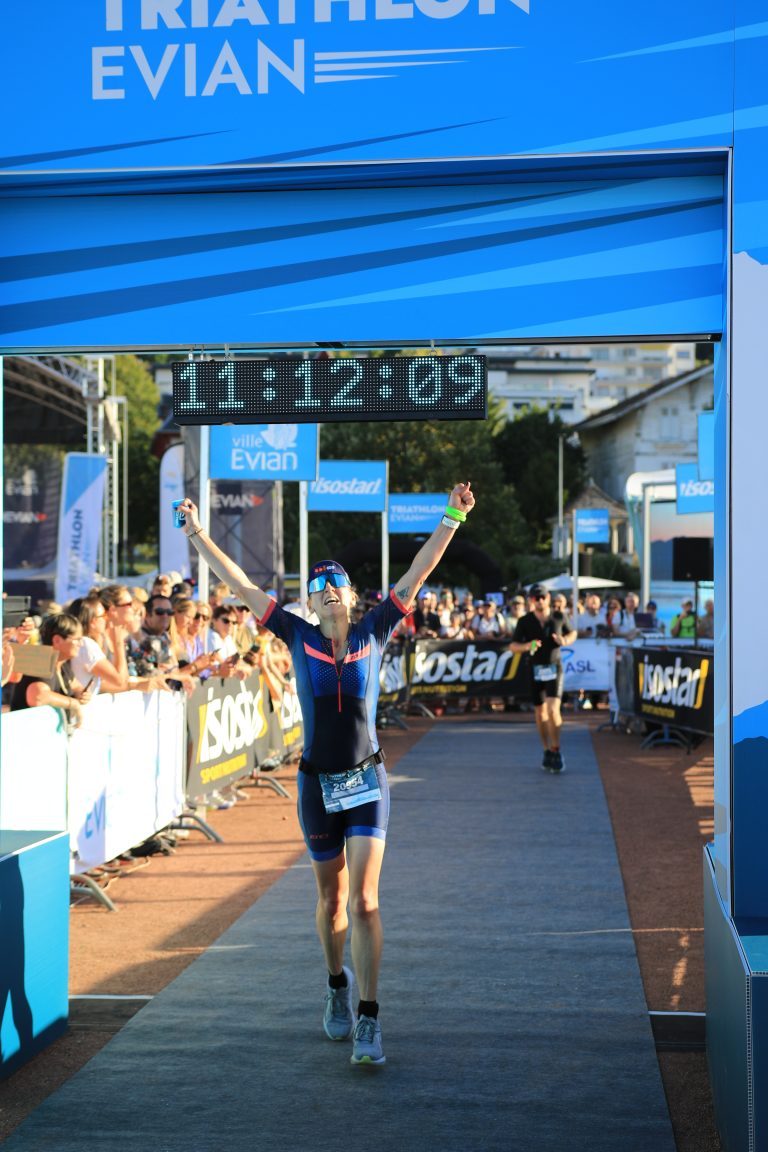
Female triathlete, mere meters before the finish line. Évian 2026. Photo © Pierre d'Ornano

The final meters before the finish line, and ultimate release… Photo © Pierre d’Ornano

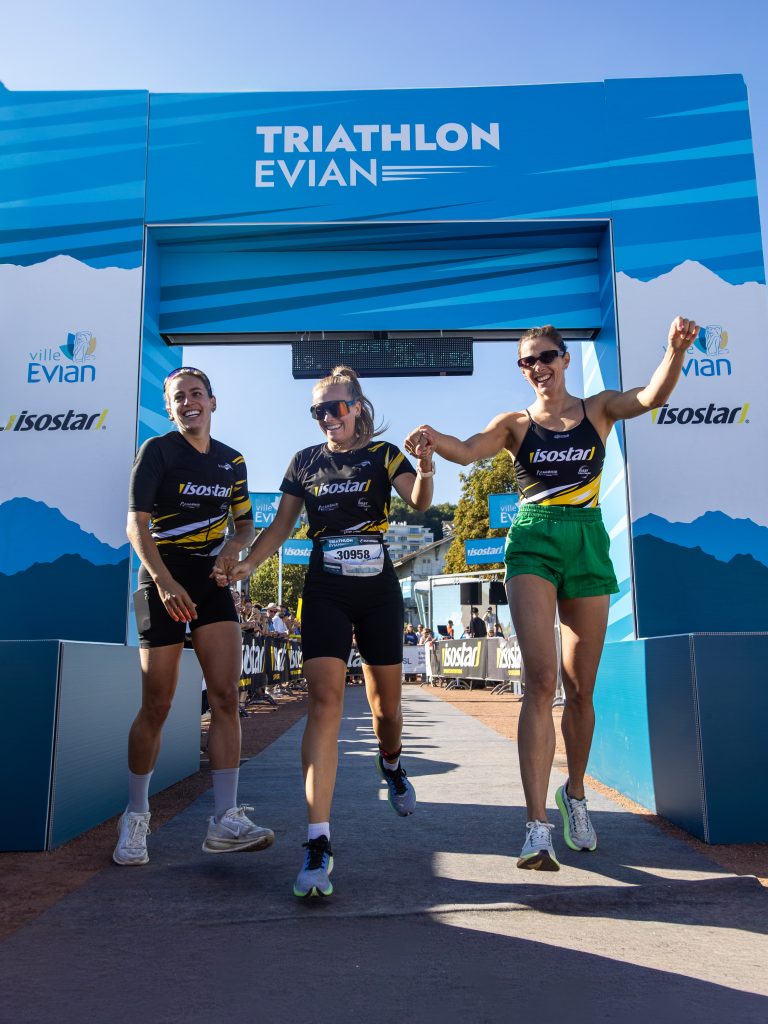
Évian Triathlon 2026. The joy of sharing a common sporting endeavor. Photo © Pierre d'Ornano
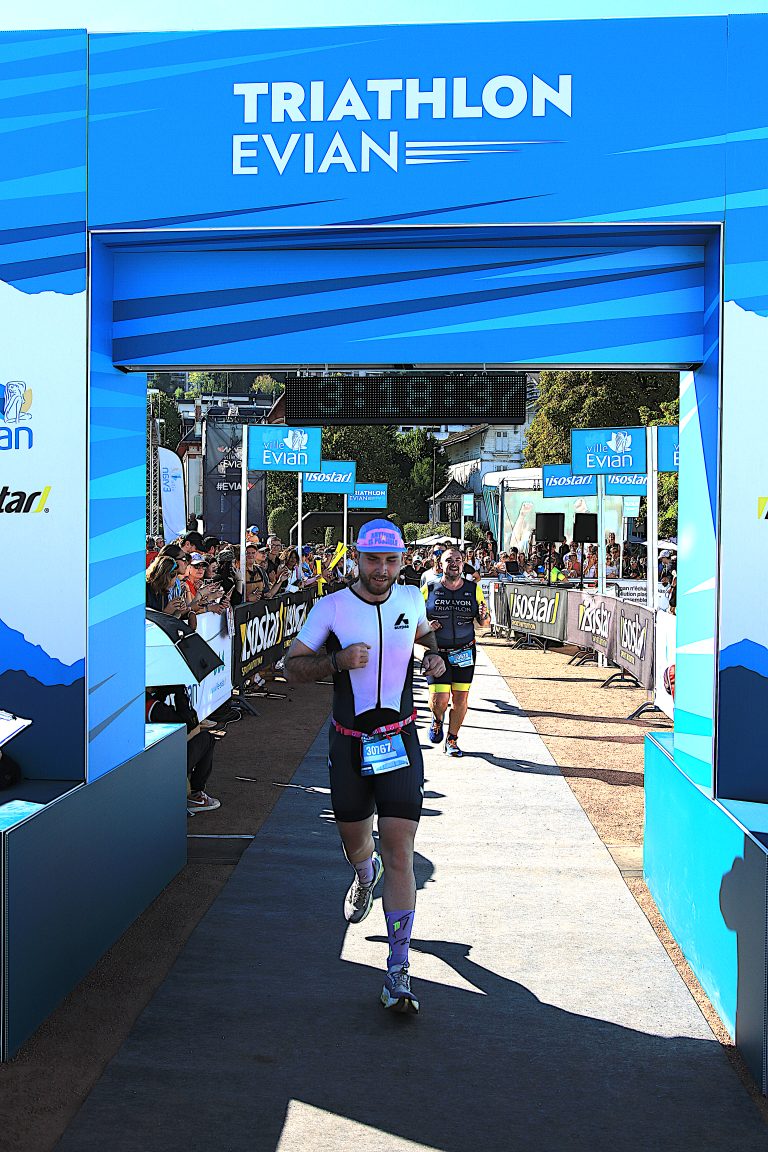
A triathlete crossing the finish line, Évian 2026, Olympic format. Photo © Pierre d'Ornano
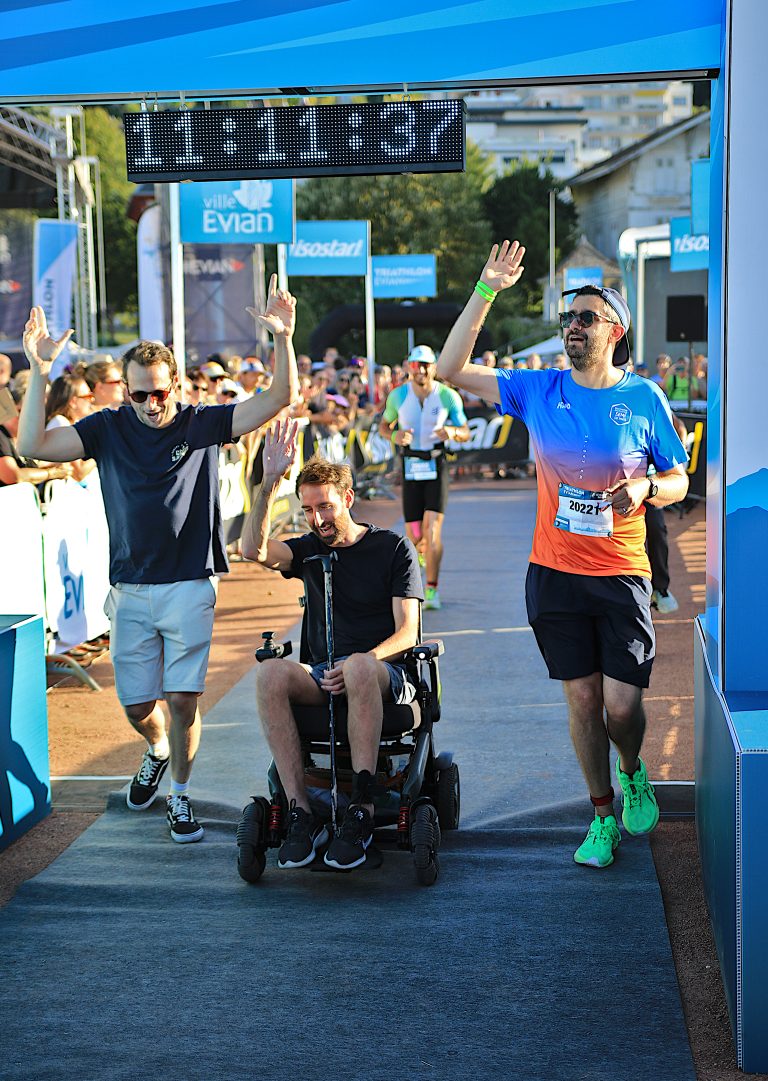
Thibault’s finish, Évian Triathlon 2026. Photo © Pierre d'Ornano 2

The individual and collective joy and emotion of crossing the finish line. Left photo: Evian ISOSTAR © Sacha Ronteix Blurring Studio / Right photos © Pierre d’Ornano

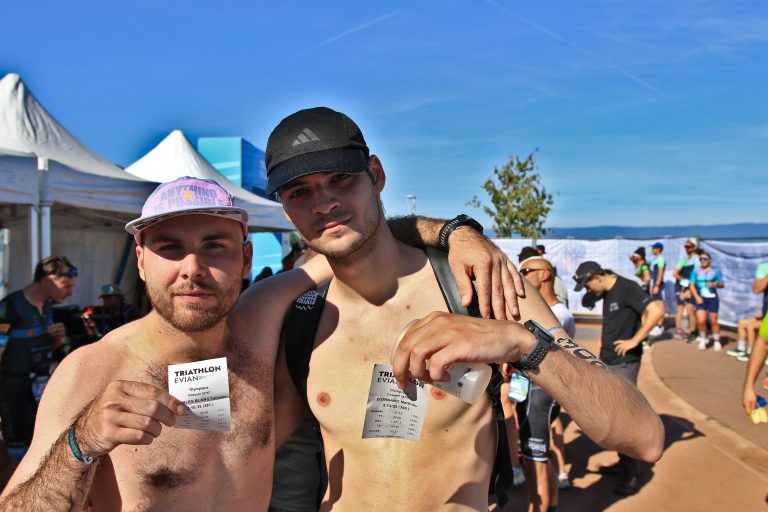
Thibault and Matthieu were competing in their second triathlon. They took part in the Olympic individual event. Photo © Pierre d'Ornano
Thibault and Matthieu were taking part in their second triathlon. They competed individually in the Olympic event. Photo © Pierre d’Ornano

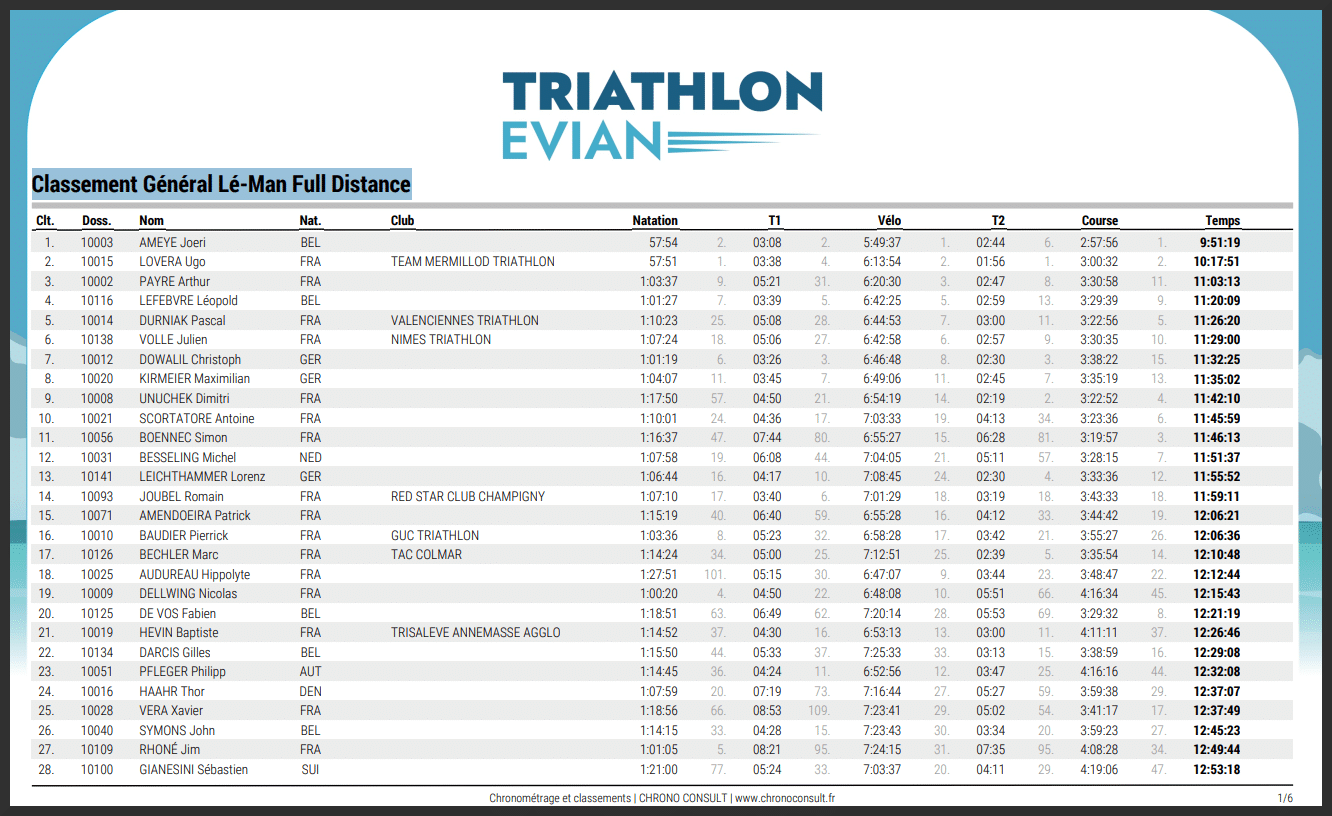
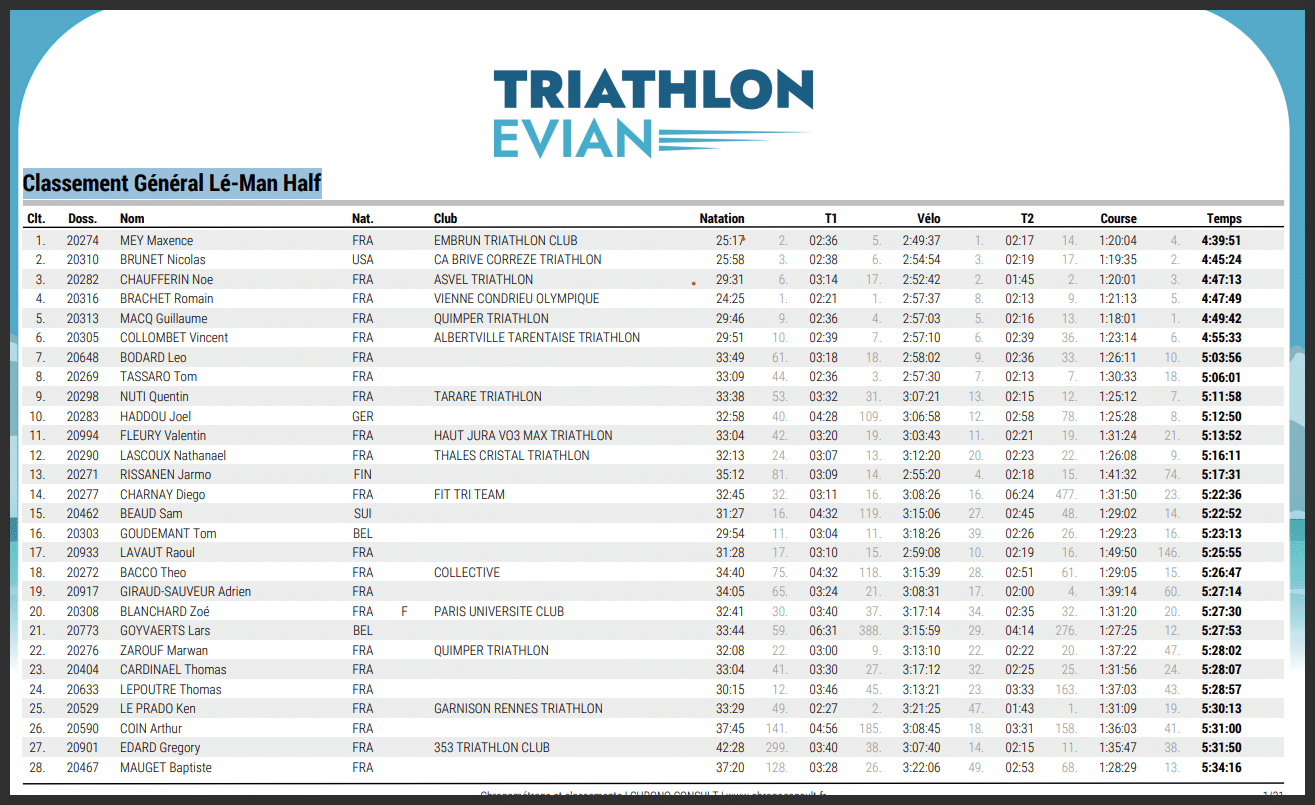
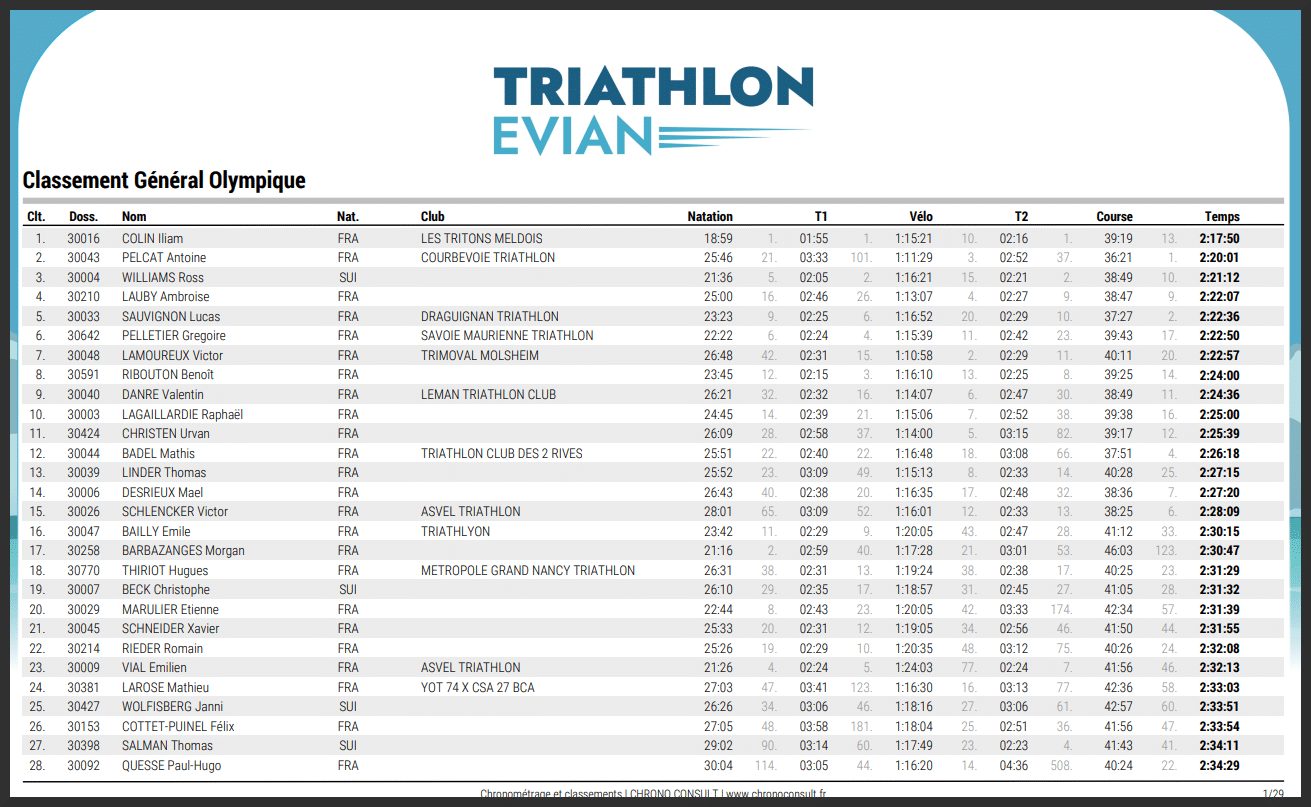
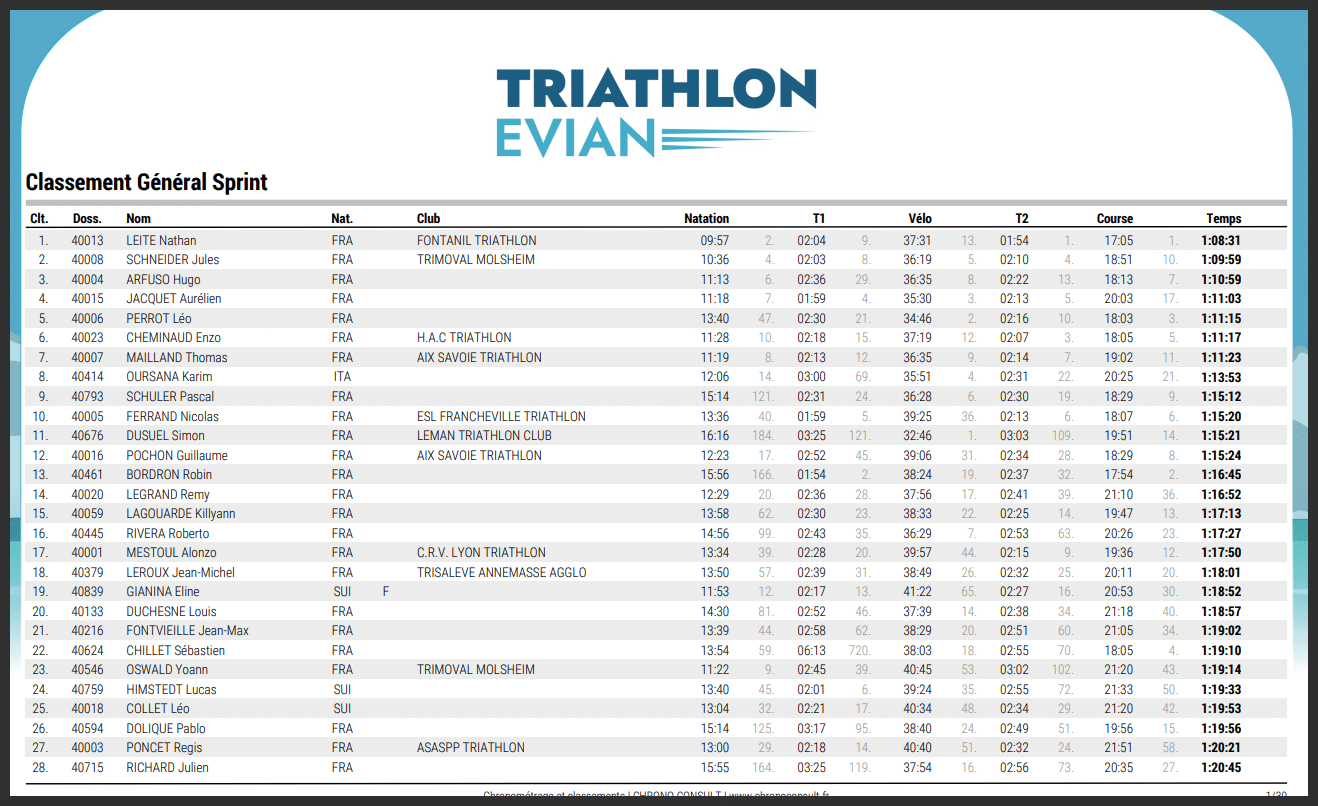
The rankings of the top 28 triathletes across the four individual formats. To view the complete results for all five formats, click HERE.

Modern Triathlon
A Rich Heritage: A Sport Promptly Inscribed into Global Athletic Lore
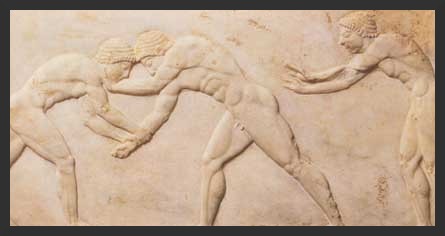

What, then, of the history of modern triathlon—a sport with mythic origins that established itself in the 21st century, rapidly captivating athletes drawn to a multi-discipline competition, as well as a passionate following?
One could journey back to antiquity, or even further into the past to the Egypt of the Pharaohs around 3150 BC, to find the societies that laid the foundations of athletics. In those ancient times, these disciplines took the form of warrior training that combined running, jumping, boxing, and javelin throwing. Later, beginning in Greek Antiquity with the Panhellenic Games staged at Olympia—most notably the ancient pentathlon, a combination of five distinct contests—and enduring through to the present day, a multitude of combined sports events emerged: the heptathlon and decathlon in track and field, or formats integrating other disciplines such as swimming, fencing, equestrian sports, and cycling.
Franco-American Origins

Regarding "modern triathlon," three locations are most frequently cited: Joinville-le-Pont in 1902; Poissy in the 1920s; and Mission Bay, a neighborhood in San Diego, California (USA), in 1974.

Let us begin with its American roots, as it was during this competition—organized by Don Shanahan and Jack Johnstone on September 25—that the name "triathlon" was officially bestowed upon the event. The race comprised a 0.5-mile (0.8 km) swim, a 5.3-mile (8.5 km) run, and a 5-mile (8 km) bicycle leg. At 5:45 p.m., 46 triathletes gathered at the starting line, including just four women. The inaugural victors were Judy Collins and Bill Phillips, both representing the San Diego Track Club.

1902: The First Combined Sports Events in France

One must turn back the clock to 1902 in Joinville-le-Pont to find the earliest French combined sports competitions. The Val-de-Marne municipality, nestled in the Paris region, hosted a summer Sunday contest aptly titled "Les trois sports" (The Three Sports). A distinguished gathering of amateur athletes undertook a 4-kilometer run, followed by a 12-kilometer bicycle course, culminating in a crossing of the Marne river by canoe—all in an atmosphere of refined conviviality. By 1920, all took to the water as swimming superseded canoeing. That same year, another town in the Île-de-France region, Poissy (Yvelines), embarked on the adventure by organizing "la course des débrouillards" (the resourceful competitors' race), also known as "les trois sports." Finally, in 1934, La Rochelle inaugurated an event combining a 200-meter swim, a 10 km cycling leg, and a 1.2 km run—a format closely foreshadowing the triathlon of today.

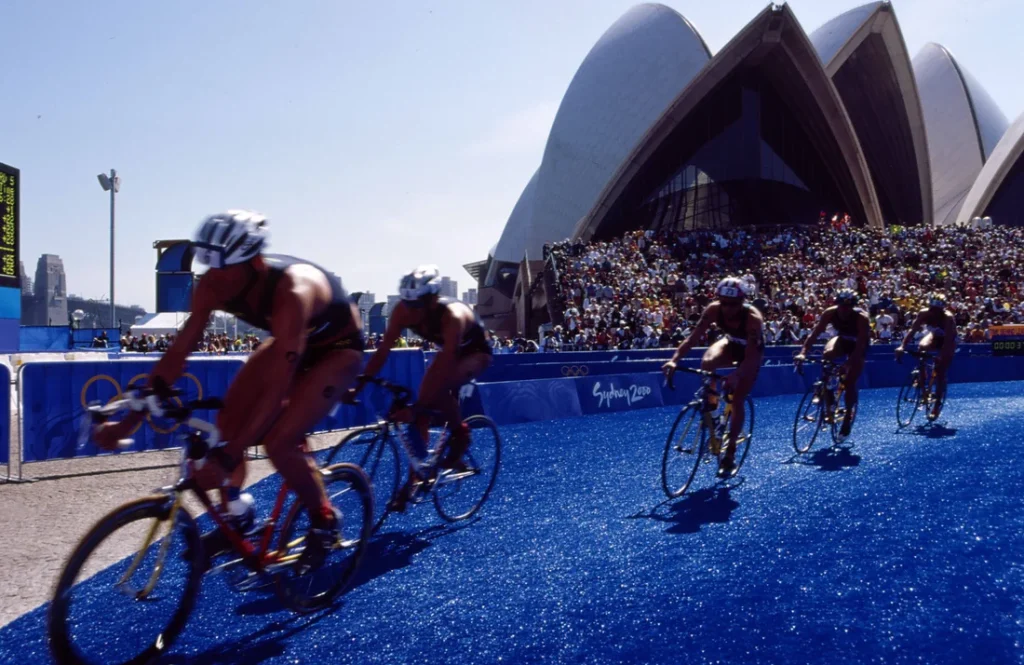
Sydney 2000 Olympic Games © World Triathlon


Triathlon: An Olympic Discipline Since 2000

Sanctioned as an Olympic sport in 1994, triathlon has featured in every edition of the Summer Olympic Games since Sydney 2000. Three events are showcased on the Olympic programme: the men's individual, the women's individual, and the mixed relay. In the individual events, the contest consists of three continuous disciplines, identical for both women and men: a 1.5 km swim, a 40 km cycle, and a 10 km run. This standard is known as the OD, or Olympic Distance. For the mixed relay, introduced at the Tokyo Games (2020), teams of four athletes—two women and two men—vie for victory. Each competitor must complete a 300-meter swim, a 6.8 km cycle, and a 2 km run.

© French Triathlon Federation

The Establishment of Governing Bodies in France

In France, it was not until 1984 that a sporting body was established: the National Committee for the Development of Triathlon (CONADET). Its mission was to promote and oversee triathlon nationwide—a crucial initial step toward achieving federal status.
On October 21, 1989, the French Triathlon Federation (FFTRI) was officially founded. In addition to triathlon, the federation officially recognizes and holds delegated authority from the Ministry of Sports to oversee 11 continuous multisport disciplines: paratriathlon, cross triathlon, winter triathlon, duathlon, cross duathlon, winter duathlon, aquathlon, bike & run, adventure racing, swimrun, and swimbike.
Today, the federation boasts 75,000 licensed members across 13 disciplines and 1,025 affiliated clubs, with 4,356 events organized annually throughout France.

Happy
Happy
0 %
Sad
Sad
0 %
Excited
Excited
0 %
Sleepy
Sleepy
0 %
Angry
Angry
0 %
Surprised
Surprised
0 %
Share this article: